

Jackets


Vescartes jackets: outerwear built for British weather
Outerwear has to do two jobs: keep the weather out and finish the outfit. Vescartes jackets do both, with pieces from £120 that range from insulated puffers for deep winter through to lighter track and shell jackets for the shoulder seasons. Every piece carries the same design approach as the rest of the range, artwork and detailing with intent rather than branding for the sake of it.
The range
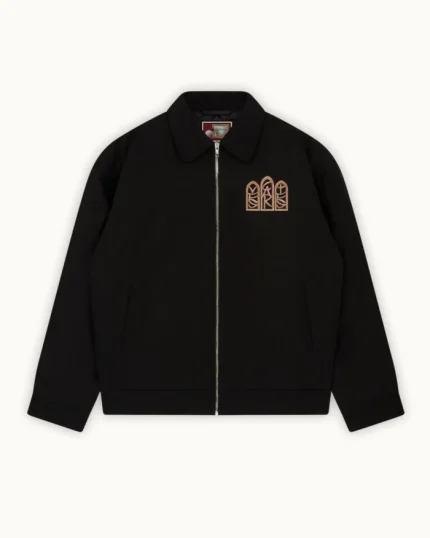
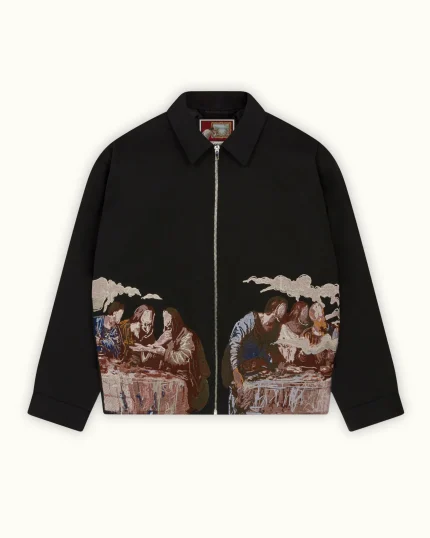
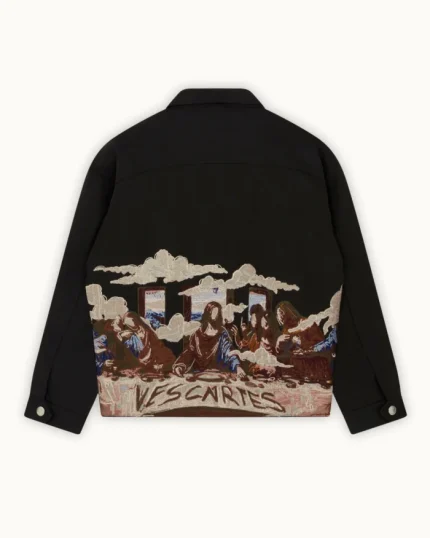
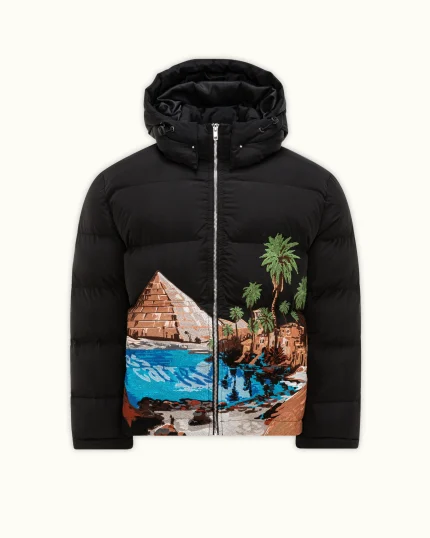
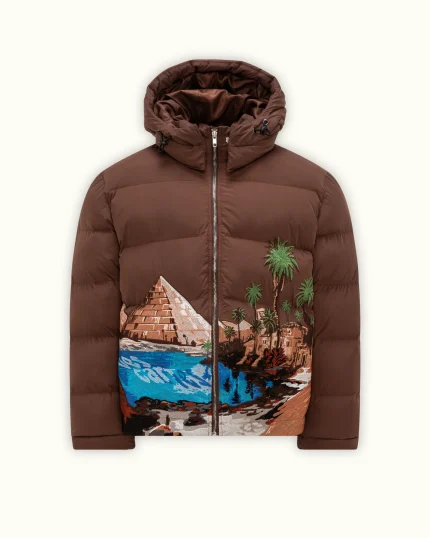
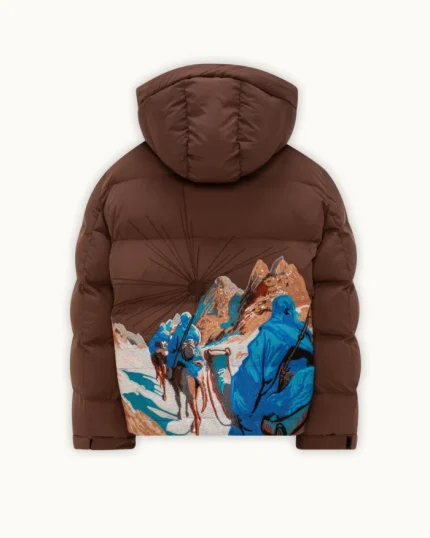
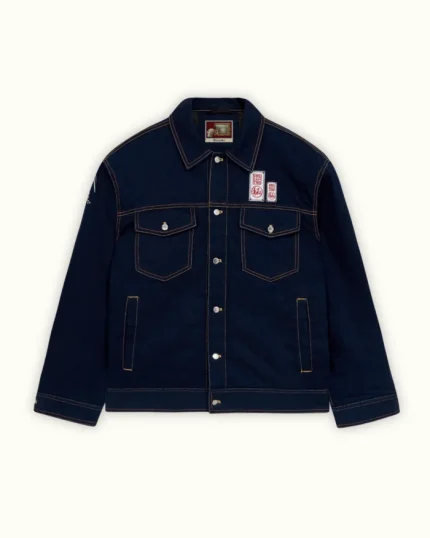
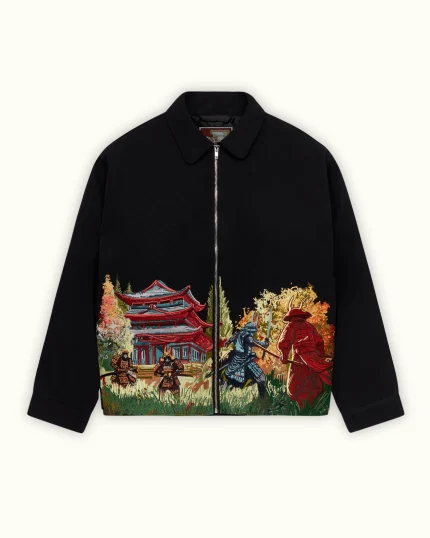
For the coldest months, the Rihla Puffer in black and brown at £175 give you real insulation without looking bulky. The Ronin Jacket at the same price is the statement piece of the collection, while the Ryu Denim Jacket gives you a heavyweight denim layer that works year round. The Last Supper Jacket carries Renaissance artwork, and the Bloom Jacket at £145 offers something lighter.
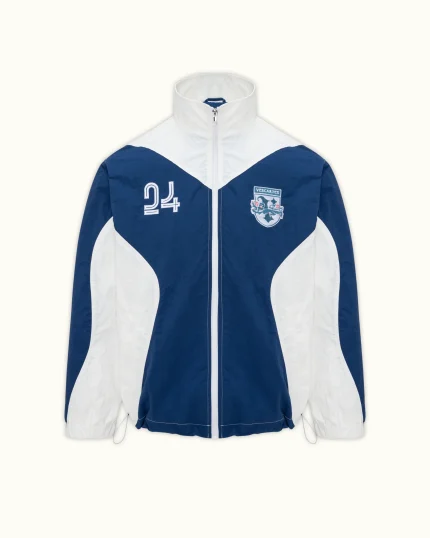
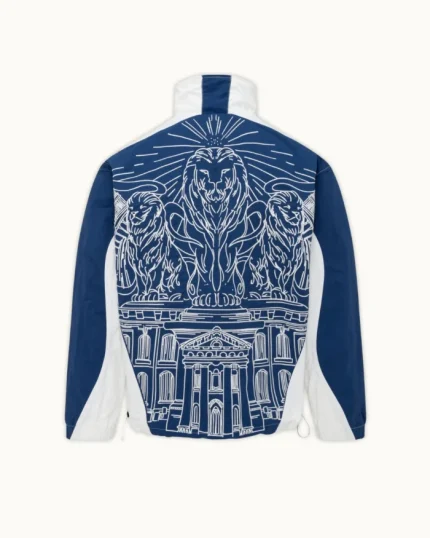
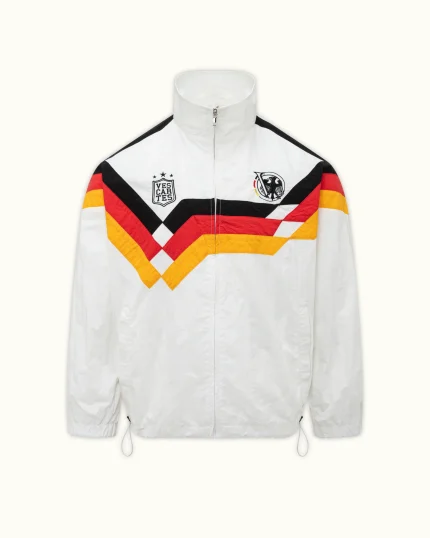
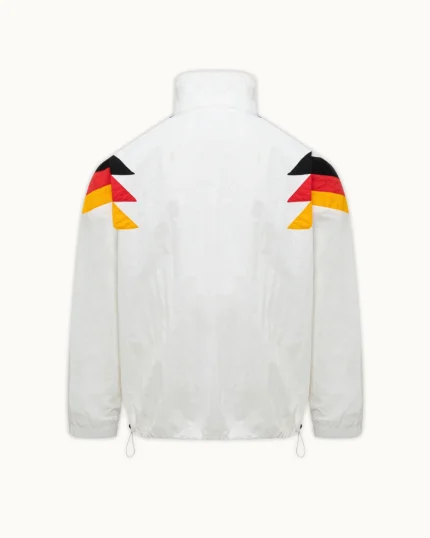
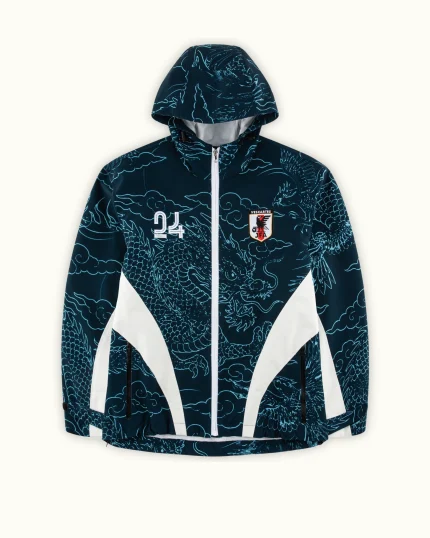
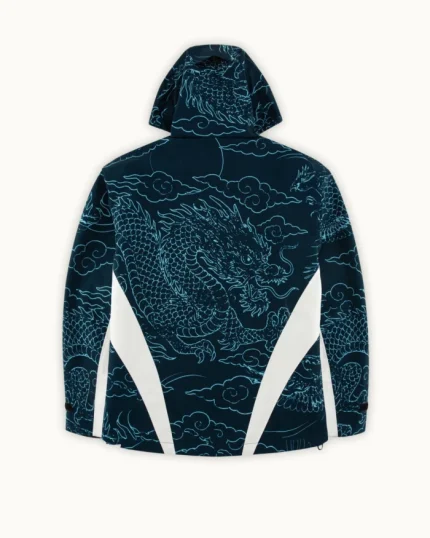
For a sportier look, the England and Germany Track Jackets at £120 are easy everyday layers, and the Japan Shell Jacket at £135 is the pick for wind and light rain.
Choosing the right jacket
Start with the season. If you need warmth for a UK winter, a Rihla puffer is the practical answer: insulated, wind resistant and warm enough for genuinely cold days. For autumn and spring, the denim, track and shell jackets give you a layer without overheating. The shell in particular earns its place in British weather, where a light, wind resistant layer covers most of what the day throws at you.
Then think about how much you want the jacket to say. The Ronin and Last Supper pieces are statement outerwear, designed to be the focus of the outfit. The track jackets and puffers are quieter, which makes them easier to wear over a graphic hoodie or with statement denim underneath.
Fit and layering
The cut is a modern regular fit, with enough room to layer a hoodie underneath without pulling across the shoulders. Take your usual size if you plan to wear a tee or jersey under it, or size up one if you regularly layer a heavyweight hoodie beneath your outerwear. Product pages carry specific measurements for each piece.
The layering rule is simple: one statement piece at a time. A bold jacket over plain layers, or a quiet jacket over a graphic hoodie. That keeps the outfit deliberate instead of busy.
Care
Follow the care label on each jacket, as insulated pieces and denim have different needs. In general, wash outerwear rarely and spot clean where you can. Never tumble dry a printed or coated piece, and hang jackets to dry away from direct heat. Store puffers loosely rather than compressed for long periods so the insulation keeps its loft and its warmth.
Buying in the UK
Every jacket ships with free shipping UK wide and tracked delivery, with no customs charges or import fees. There is up to 30% off across the range during the current offer, and returns go to a UK address, so exchanging a size is straightforward. If you need help choosing between the puffer and a lighter layer, our team is happy to advise through the contact page.
Common questions
Which jacket is warmest? The Rihla Puffer, insulated and built for UK winter. Do jackets fit over a hoodie? Yes, take your usual size for light layers or size up one if you regularly wear a heavyweight hoodie underneath. Is the shell jacket waterproof? It is designed for wind and light rain; check the product page for the specification. Do you deliver across the UK? Yes, with free UK shipping.
One jacket or several
Most people end up with two: something insulated for deep winter and something lighter for the rest of the year. If you can only buy one, be honest about which months you actually spend outdoors. A puffer is unbeatable in January but too warm for most of the British calendar, while a denim or track jacket covers spring, autumn and mild winter days but leaves you cold in a hard frost. The shell sits in between, and for a lot of people it is the most used jacket they own precisely because British weather is more often windy and damp than genuinely freezing.
Making outerwear last
Outerwear takes more punishment than anything else in a wardrobe, so a little maintenance goes a long way. Empty the pockets before hanging a jacket, since weight in the pockets pulls the shape out over time. Brush off dirt and salt after wet or wintry days rather than leaving it to sit in the fabric. Hang jackets on a broad hanger that supports the shoulders rather than a thin wire one, and give insulated pieces room in the wardrobe so the filling is not permanently compressed. Done consistently, this keeps a jacket looking sharp for years rather than seasons.